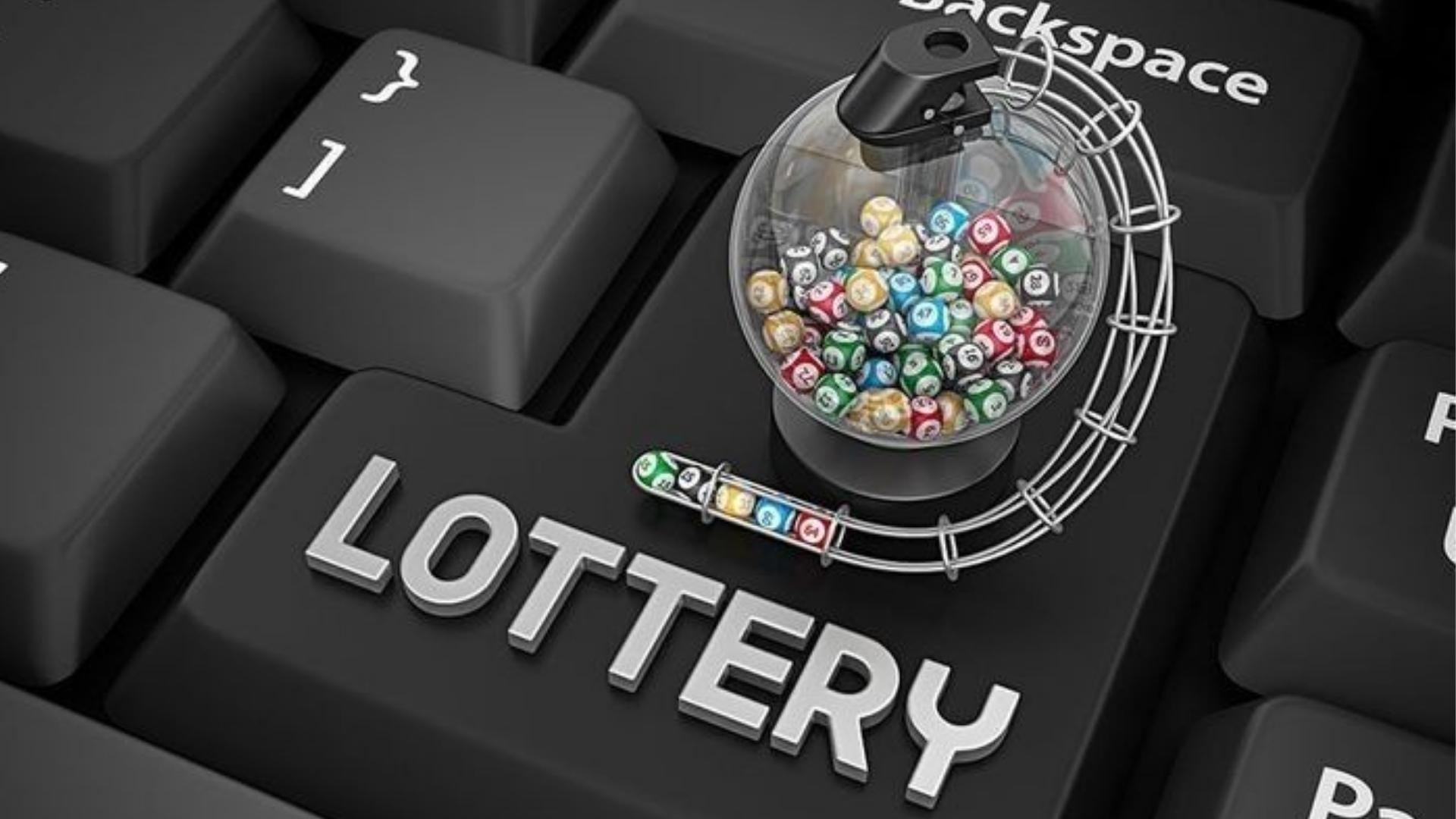
Human decision-making has always balanced on the fine line between calculated reasoning and completely unpredictable events. While statistical models help us chart a logical course through daily dilemmas, sudden unexpected variations ensure that absolute certainty remains impossible to achieve. Exploring how these two elements interact provides individuals with a more resilient mindset for navigating complex environments.
The Symbiosis of Rationality and Randomness
Many traditional analytical frameworks separate logical strategies from random occurrences, viewing them as opposing forces in problem-solving. However, modern scientific perspectives suggest that embracing both variables allows for more realistic planning and adaptive responses. By understanding that logic provides the framework and chance introduces the options, thinkers can build more robust systems.
This integrated approach helps people move away from rigid expectations that often break down during unforeseen crises. Accepting the unpredictable elements allows for creative flexibility, transforming random disruptions into potential breakthroughs instead of immediate failures. Cultivating this dual perspective shifts the focus from avoiding uncertainty to mastering how to react to it systematically.
Balancing Analytical Models with Real-World Outcomes
Constructing a sound logical foundation requires consistent practice and standard tools to interpret historical data points accurately. Educational systems and strategic platforms often design specific scenarios where individuals can observe these complex probabilities in real time. For those seeking structured digital interfaces to test their statistical understanding, visiting a dedicated platform via an M88 Login alternatif can offer an interactive view of how software calculates numerical uncertainty. Observing these digital systems helps demystify abstract formulas and reinforces practical mathematical logic.
Applying these simulated lessons to daily life requires shifting from fixed calculations to dynamic probabilistic thinking. Rather than searching for a singular correct path, analytical thinkers learn to evaluate multiple potential scenarios simultaneously. This nuanced method reduces cognitive biases and builds a healthier relationship with shifting outcomes.
The Practical Benefits of Dual Cognitive Training
Engaging in activities that require both strict rule adherence and spontaneous risk assessment actively sharpens mental agility. Individuals who practice balancing these skills report higher confidence levels when making critical business or personal decisions under pressure. Training the brain to recognize patterns while remaining open to unexpected variables prepares the mind for complex real-world dynamics.
Ultimately, the continuous interplay between structure and chance keeps cognitive routines from becoming entirely stagnant. Developing a comprehensive framework that honors both systematic reasoning and unpredictable events empowers thinkers across all generations. By accepting that logic guides us but chance surprises us, we unlock a truly balanced approach to modern problem-solving.