Modern game design thrives on the delicate equilibrium between giving players meaningful choices and managing systemic randomness. When a game offers too much predictability, it risks becoming rigid and repetitive, while excessive unpredictability can cause frustration and a sense of powerlessness. Striking the right balance allows creators to craft dynamic experiences where players feel in control of their destiny even when facing unexpected tactical shifts.
Understanding Input Versus Output Randomness
One of the core strategies developers use to manage chaos is distinguishing between input and output randomness. Input randomness introduces variable conditions before a player makes a decision, allowing for thoughtful planning and adaptation. Conversely, output randomness determines the outcome after a decision is made, which can feel punishing if not carefully tuned.
By favoring input randomness, designers encourage players to evaluate risks and make tactical choices based on known variables. This shift ensures that luck acts as a prompt for strategic problem-solving rather than a abrupt veto of player skill. Consequently, players retain a sense of ownership over their choices, even when dealing with dynamic game states.
Designing Mitigation Systems to Curb Frustration
To prevent bad luck from overwhelming player strategy, modern mechanics often incorporate built-in mitigation features. Mechanics like re-roll tokens, resource conversion, and tactical safety nets give players tools to reshape unfavourable outcomes. These systems transform static variance into actionable gameplay options, ensuring every turn remains engaging.
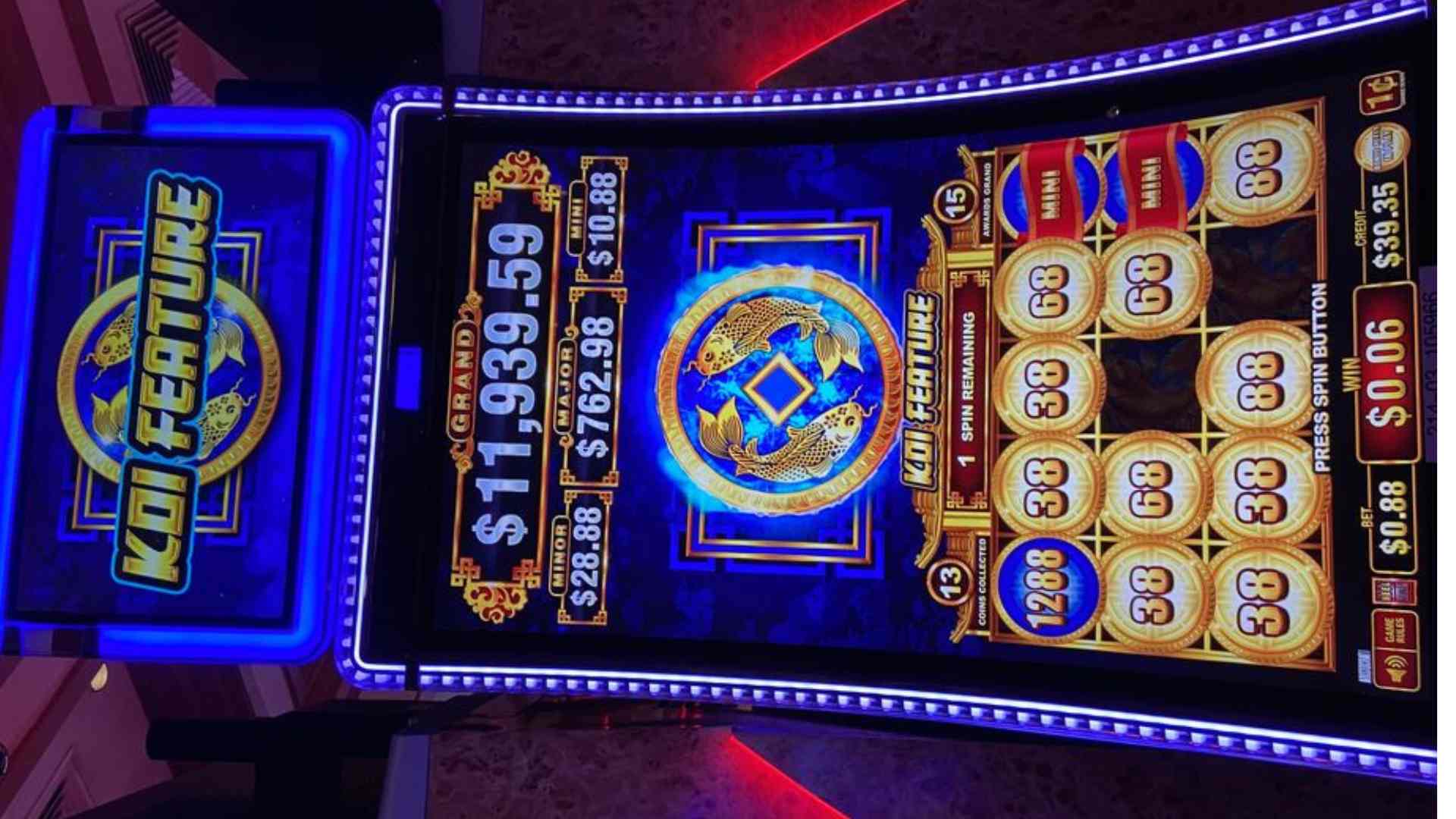
Understanding how random mechanics interact with player choices is essential in both tabletop and digital systems. Players seeking engaging gaming choices, such as exploring dynamic odds on m88 slot platforms, often look for systems that balance chance with clear feedback. Providing options to alter outcomes keeps gameplay fair and keeps participants invested in long-term strategy.
Structuring Decision Trees Around Variable Outcomes
Effective chaos control relies on offering branching decisions that reward strategic flexibility over rigid execution. When outcomes fluctuate, games should present multiple viable paths to victory rather than a single optimal move. This approach ensures that a surprising turn of events opens new strategic doors instead of simply closing existing ones.
Developing rich decision trees allows players to demonstrate adaptability under pressure. When players realize that unexpected shifts can lead to novel tactical advantages, chaos becomes an exciting element of play rather than an obstacle. This design philosophy fosters deeper engagement and long-term replayability across diverse gaming genres.
Creating Meaningful Agency in Dynamic Game Worlds
Ultimately, balancing agency with control requires a deep understanding of player psychology and mathematical odds. Designers must ensure that players feel responsible for their victories while viewing defeats as learning opportunities rather than unfair punishments. Achieving this balance results in memorable, tense, and deeply satisfying gaming experiences.
As game design continues to evolve, the integration of controlled randomness will remain a cornerstone of interactive entertainment. By continually refining how chance interacts with choice, developers create immersive worlds that challenge and reward players in equal measure.