Sitting at a highly competitive card table requires much more than simply memorizing the basic mathematical odds of your hand. True mastery comes down to interpreting a complex dialect composed of subtle physical behaviors, strategic timing variations, and distinct betting movements. Understanding this silent dialogue allows you to control the flow of the game and make accurate decisions under heavy pressure.
The Foundations of Behavioral Tracking
Every movement at a poker table tells a distinct story if you know exactly what to look for during a live session. Competitors often broadcast the absolute strength of their active cards through their physical posture or the way they handle their chips. Recognizing these unintentional patterns gives seasoned players a massive tactical advantage over casual opponents.
For instance, sudden rigidity in a player's posture usually signals extreme comfort or intense psychological focus. Conversely, a relaxed shoulder line often suggests a competitor is comfortable with a bluff or holding a mediocre combination. Paying close attention to these physical shifts helps you build a more accurate strategic profile of your opponents.
Decoding Betting Mechanics and Chip Interaction
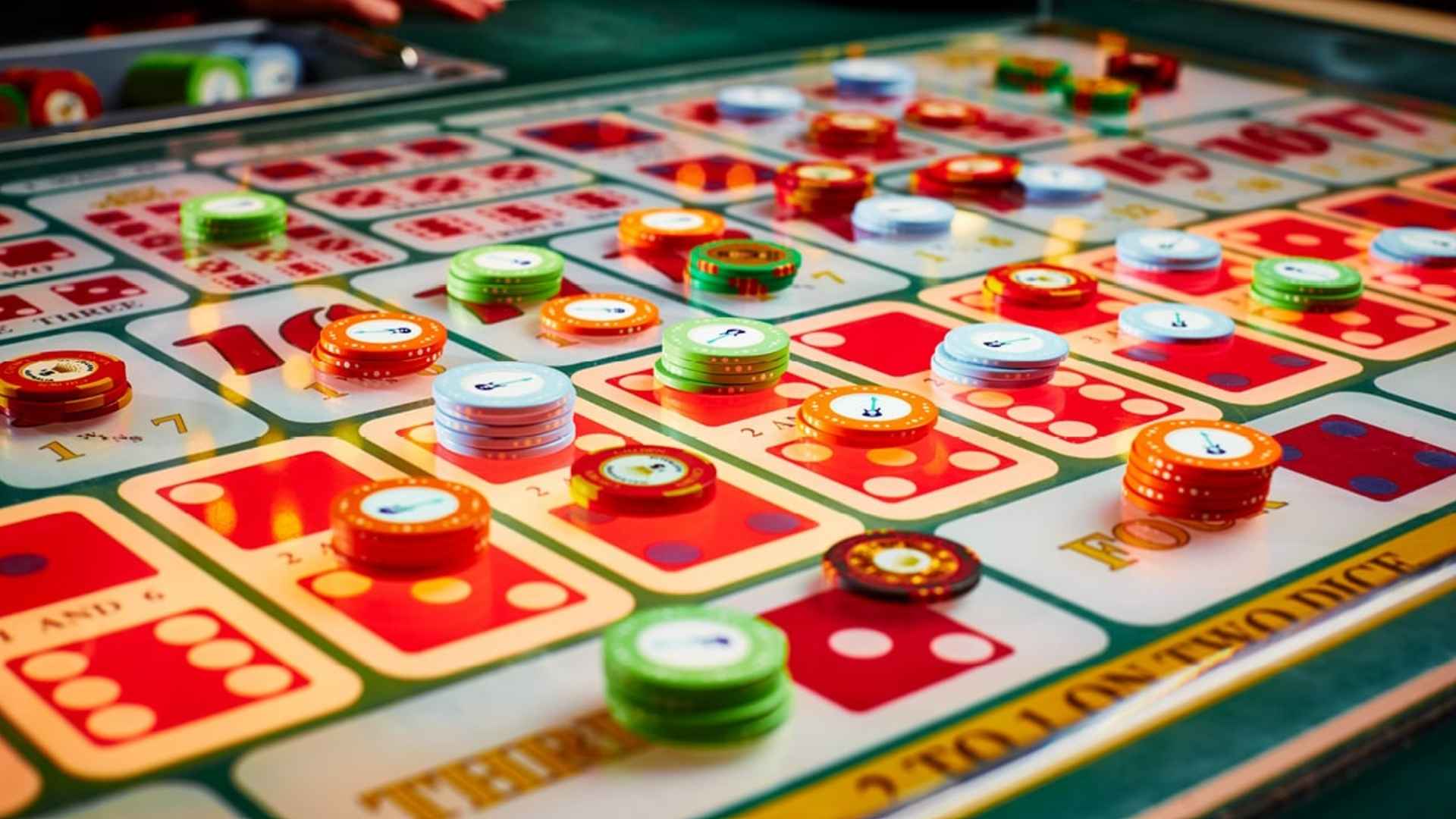
The manner in which a competitor places their chips into the central pot offers significant tactical insight into their strategy. Sudden, forceful movements often indicate an attempt to intimidate the rest of the table into folding their hands immediately. On the other hand, a gentle placement might suggest value betting from an incredibly strong holding.
Observing how individuals manage their stacks during stressful moments can reveal their overall experience levels. Beginners tend to fumble their chips when they feel pressured or uncertain about their strategic options at the table. Regular players maintain a consistent rhythm that protects their strategic intentions from being exposed easily.
The Role of Timing and Pacing Cues
How long a player takes to make a critical decision provides vital clues about their potential range of cards. An immediate check often indicates a weak hand that wants to see the next card without investing more chips. Meanwhile, a long pause followed by a massive raise typically points toward deep strategic calculation and immense confidence.
Recognizing these timing variations helps you avoid falling into common traps set by advanced opponents at the table. When looking to improve your observation skills in a digital environment, accessing a reliable platform via an M88 Login alternatif can provide an excellent space to practice. Studying these pacing patterns regularly ensures you remain one step ahead of the competition.
Facial Expressions and Focus Shifts
The human face remains one of the most difficult things to control under intense pressure during a high-stakes match. Many players try to mask their anxiety by staring directly at their opponents or avoiding eye contact completely. Learning to differentiate between forced confidence and genuine relaxation is a hallmark of elite live players.
Glancing at a chip stack immediately after a new card is dealt often signals an intention to execute a bet. This micro-expression happens quickly and is rarely noticed by untrained participants who are distracted by their own cards. Mastering the art of spotting these brief moments requires undivided attention throughout the entire session.
Maintaining Absolute Table Neutrality
While you are busy analyzing others, you must remember that your opponents are also watching your actions carefully. Maintaining a consistent routine for every single action prevents sharp players from reading your true intentions. Controlling your breathing and keeping your expressions neutral are essential habits for long-term success.
Deliberate practice is the best way to ensure your physical habits do not betray your cards to the table. By treating every hand with the same level of disciplined focus, you become a difficult puzzle to solve. Mastering this silent dialect ultimately elevates your performance from a casual hobby to a strategic art form.