The architecture of modern digital entertainment relies heavily on psychological loops that keep users deeply invested in the experience. While the actual distribution of a prize is highly satisfying, the emotional journey leading up to that moment plays a much more vital role in player satisfaction. Sophisticated creators understand that engineering the perfect period of waiting can transform a standard transactional mechanic into an unforgettable interactive event.
The Neurological Blueprint of Suspense
Human behavior is fundamentally driven by the chemical releases triggered during moments of acute uncertainty. When a user initiates a randomized cycle, the brain begins generating dopamine in response to the possibility of a reward rather than the reward itself. This intense neurological state heightens sensory awareness and deepens mental immersion within the software environment.
By intentionally stretching this emotional micro-moment, interface designers can significantly amplify the overall dramatic tension. This psychological pacing ensures that individuals remain highly focused on the unfolding interface elements. Consequently, the brief delay becomes a primary source of lighthearted entertainment that outshines the final outcome.
Visual and Auditory Calibration Techniques
Creating effective anticipation requires a meticulous blend of motion dynamics, sensory feedback loops, and temporal pacing. Digital systems frequently implement slow deceleration models, such as a revolving indicator gradually losing its physical momentum. This structural hesitation allows observers to naturally calculate potential milestones as the mechanical movement settles into stillness.
Furthermore, timed acoustic patterns and shifting color theories work alongside the visual choreography to signal impending resolution. For instance, platforms that require a secure m88 login utilize polished graphical presentations to keep their casual reward structures incredibly immersive. These calibrated feedback mechanisms ensure that even a rapid gameplay loop leaves a lasting impression on the participant.
Balancing Transparency with the Element of Surprise
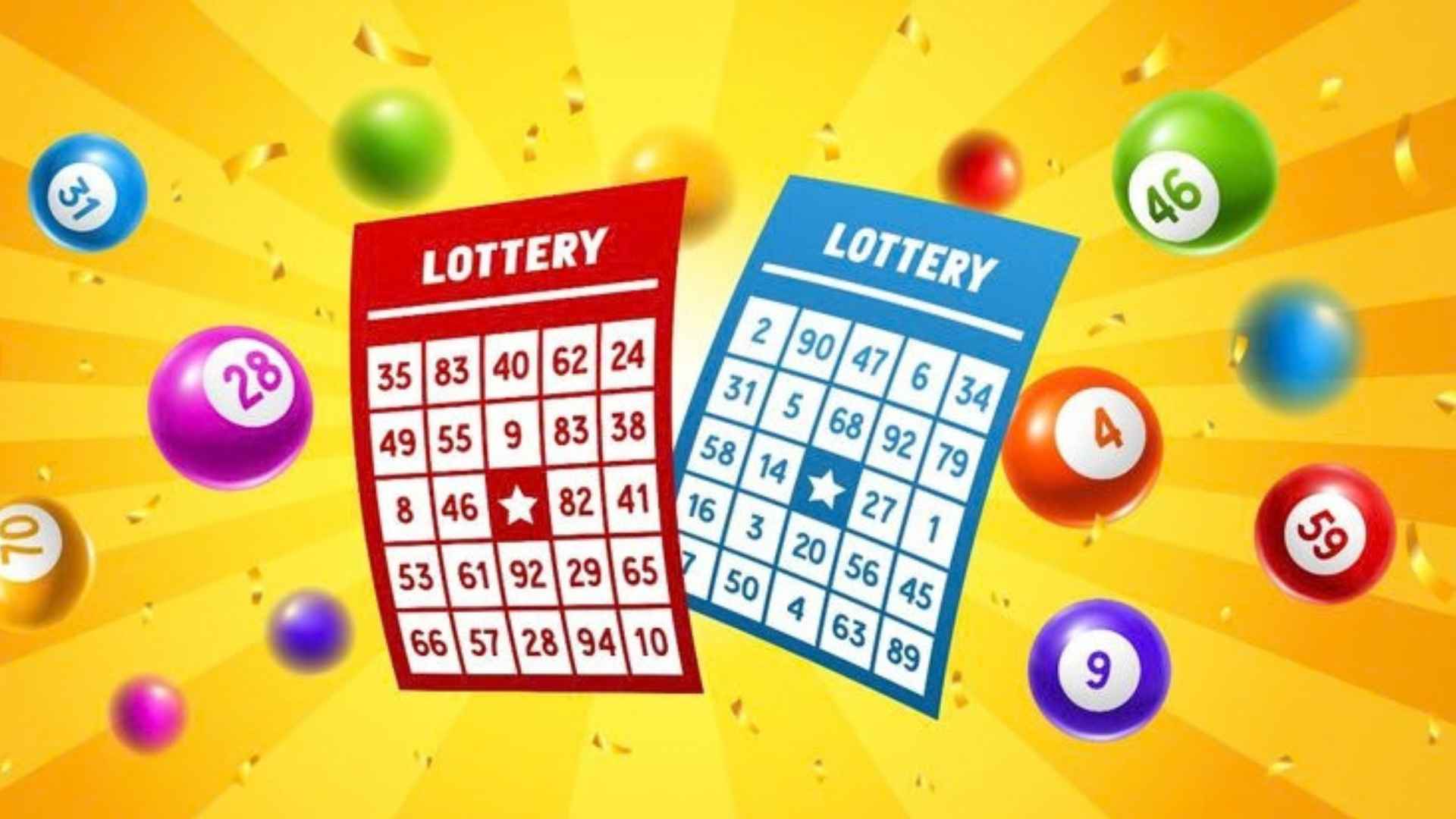
A critical aspect of interactive reward design is managing how future possibilities are revealed to the target audience. Displaying all potential outcomes simultaneously on a visible grid creates an immediate map of possibilities that sparks genuine curiosity. Users find great approachability in layouts where the parameters of luck are transparent and simple to comprehend.
However, introducing unexpected mystery modifiers or multi-tiered prize paths prevents the experience from becoming overly predictable. This deliberate structural variety forces the psychological rhythm to adapt continuously across multiple consecutive sessions. When developers successfully balance absolute clarity with random surprise, consumer loyalty and long-term retention improve naturally.
The Future Architecture of Digital Pacing
As consumer applications migrate toward advanced interactive frameworks, the methods used to build suspense are evolving rapidly. Emerging software suites are exploring how real-time behavioral data can optimize the duration of micro-burst excitement parameters. Tailoring the length of a reveal based on user responses could soon allow for deeply personalized engagement loops.
Ultimately, the timeless magic of random selection will remain an essential cornerstone of digital recreation. Stripping away unnecessary interface clutter allows the pure emotional mechanics of hope and resolution to take center stage. By prioritizing thoughtful structural pacing over immediate gratification, designers guarantee that the thrill of the chase stays eternal.