Headline Article
Exploring Effective Board Layouts for Protecting Backline Enchanters
Exploring Effective Board Layouts for Protecting Backline Enchanters
Baca Artikel
Exploring Effective Board Layouts for Protecting Backline Enchanters
Baca Artikel
Exploring Effective Board Layouts for Protecting Backline Enchanters

How to Manage Wave Freezing to Starve Enemy Top Laners of CS

How to Manage Wave Freezing to Starve Enemy Top Laners of CS

The Importance of Adapting Item Builds to Specific Enemy Threats

Mystery Incentives That Make Small Achievements Feel Meaningful
In modern digital environments, smaller milestones often get overshadowed by grand progress systems. Integrating hidden perks into minor achievements can transform daily user participation by introducing unexpected delight into routine steps. This subtle mechanism elevates basic interactions into memorable moments of personal accomplishment.
Minor accomplishments provide a steady stream of motivation when larger objectives feel distant or demanding. When an unexpected reward accompanies a minor milestone, the brain experiences a sudden surge of curiosity and satisfaction. This psychological spark turns routine progress into an engaging journey of continual discovery.
By obscuring the exact nature of minor rewards, system designers harness the natural allure of anticipation. Users remain focused on standard tasks knowing that even modest efforts could unveil a novel perk. Consequently, daily engagement becomes much more satisfying without requiring massive overhauls to core activities.
Predictable progress paths can eventually lead to user fatigue, making routine tasks feel transactional. Mystery incentives disrupt this predictability, ensuring that simple actions retain a feeling of novelty over extended periods. Even a modest bonus can alter how an entire session is perceived by the participant.
Many contemporary digital platforms adopt these dynamic reward structures to maintain high retention rates. For instance, platform enthusiasts exploring digital options like m88 often observe how subtle progression mechanisms enhance routine user activities. These deliberate design choices demonstrate that uncertainty naturally sharpens interest across varied online settings.
For mystery incentives to remain effective, the hidden perks must hold genuine utility for the user. Offering trivial or irrelevant bonuses too frequently causes curiosity to decline rapidly over time. Designing balanced reward pools ensures that every unmasked prize feels earned and genuinely helpful.
Additionally, transparency regarding the overall distribution rules helps preserve user confidence. When participants trust that rewards are distributed fairly, surprise elements feel encouraging rather than manipulative. Achieving this harmony forms the backbone of sustainable and ethical user engagement strategies.
Relying solely on fixed reward structures often limits long-term enthusiasm among digital participants. Integrating mystery elements alongside steady progress models establishes a robust framework that caters to diverse behavioral styles. This balanced design ensures that both minor tasks and major goals deliver continuous satisfaction.
Ultimately, elevating small achievements through surprise transforms basic progression into a captivating experience. As digital environments continue to refine user incentives, unpredictable perks will remain a powerful tool for driving meaningful, ongoing interaction.

Emudeck Not Detecting SD Card Fixes And Setup Guide
Setting up EmuDeck on portable gaming consoles like the Steam Deck transforms your device into an ultimate emulation powerhouse. However, encountering a situation where EmuDeck is not detecting your SD card can quickly stall your retro gaming adventures. Understanding the root causes of this detection issue and knowing the precise steps to configure your external storage properly ensures a seamless emulation experience.
Before modifying any configuration files, you must ensure that your portable console recognizes the storage media hardware correctly. Switch your device over to desktop mode and open the system storage settings to see if your memory card is fully visible. If the operating system cannot read the external drive, try physically ejecting the card and firmly inserting it back until it clicks into place.
Sometimes a sudden system restart or an abrupt power cycle can temporarily confuse the device hardware interface. Testing your storage card on another computer or laptop can quickly verify whether the accessory itself functions correctly or if it has encountered a critical filesystem error. Ensuring a clean physical connection prevents complex software troubleshooting down the line.
Linux-based gaming environments require specific storage formatting protocols to read directories smoothly. If your expandable storage was previously formatted on a standard Windows PC, it likely uses an incompatible filesystem structure that EmuDeck cannot access natively. Utilizing the built-in system formatting utility inside Game Mode ensures the card configures to the proper Ext4 format.
Keep in mind that reformatting your expandable storage will completely erase all digital files and data currently saved on it. Always back up your important files before initiating a format to avoid permanent loss. Once the process completes, the system naturally assigns the proper read and write permissions to the brand-new partition.
During the initialization process, EmuDeck creates a structured directory system to sort retro game files and emulation cores. If the installation tool points to a generic path or a missing folder, the software will fail to discover your game collection. Running the EmuDeck companion application allows you to manually re-select the primary directory targeted at your external storage drive.
You can also use custom tools like a specialized file manager interface to inspect the exact path where your gaming folders are generated. Confirming that your system path explicitly points to the correct removable media mount point stabilizes the background system configurations. Correcting these directory linkages immediately restores access to your library.
Flatpak applications running in sandboxed Linux setups sometimes lack the fundamental system permissions required to scan external hardware paths. If EmuDeck still fails to discover your content after a fresh installation, adjusting the global application permissions might be necessary. Utilizing a utility configuration tool allows users to manually toggle permission variables for external storage access.
Adding the exact path of your media directory into the application access list overrides any restrictive background safety protocols. This step grants your emulators full authorization to browse, load, and write game data directly onto the memory card. Once these permissions are finalized, restart your device to let the changes safely take effect.

Ghost Of Yotei New Game Plus Features And What Players Should Expect
Following Atsu's dangerous journey through the rugged wilderness surrounding Mount Yotei, players are eager to experience her quest from a brand-new perspective. Sucker Punch Productions has cultivated a powerful reputation for rewarding community dedication with robust post-launch updates. For those who want to carry over their hard-earned skills, understanding the dynamic mechanics behind the upcoming New Game Plus mode is essential for planning a return to this scenic digital masterpiece.
Stepping back into the beautiful open world with your entire endgame inventory completely redefines how you approach early-game encounters. Players can expect to retain all of their unlocked combat stances, personalized weapon modifications, and carefully optimized armor sets from their initial playthrough. This immediate access to high-tier tools allows you to engage in fluid, chaotic combat encounters right from the very opening chapters.
Furthermore, specialized traversal upgrades and exploration techniques will remain intact to preserve your freedom across the vertical landscapes. Experienced warriors can instantly scale steep environments and bypass traditional progression barriers that originally restricted access to hidden map regions. Keeping your collection of cosmetics also means Atsu can sport rare dyes and aesthetic pieces without waiting for endgame vendors to open up.
To match your upgraded arsenal, the incoming challenges will demand sharper reflexes and tighter tactical foresight. The specialized end-game mode introduces rebalanced enemy behaviors that push your defensive capabilities and timing to their absolute absolute limits. Enemies will strike with increased aggression, coordinate complex ambush formations, and counter predictable swordplay far more effectively than before.
Standard bandit groups and elite Ronin factions are heavily tweaked to act as true gear checks for fully optimized characters. This heightened difficulty ensures that executing stealth takedowns or engaging in dramatic standoffs remains deeply engaging and satisfying. Veteran players must continuously mix up their combat combinations to survive the brutal combat encounters waiting in the northern frontier.
A major highlight of this secondary journey is the introduction of rare currencies designed exclusively for dedicated completionists. By conquering familiar objectives and completing main story milestones again, you will accumulate unique tokens to spend at a mysterious new merchant. This specialized vendor offers exotic weapon wraps, legendary armor sets, and breathtaking vanity items that are completely unobtainable anywhere else.
Beyond cosmetic improvements, players can discover powerful new charms designed to fundamentally alter tactical playstyles. These rare modifiers can introduce high-stakes gameplay risks, such as amplifying damage output while completely disabling traditional healing options. This creative progression system encourages players to experiment with entirely different character builds during their second trek through the mountains.
Sucker Punch prioritizes player convenience by introducing helpful quality-of-life features that eliminate unnecessary open-world busywork. Activities that heavily rely on standard grinding can be bypassed entirely, allowing you to focus on intense narrative milestones and specific side quests. This streamlined structure makes it much easier to explore alternative story choices and track down missing trophies.
The inclusion of skip options for major cutscenes balances the pacing for veterans who simply want to dive directly into the tactical action. At the same time, the breathtaking environments retain their immense visual integrity, making photo mode expeditions just as memorable the second time around. Preparing for this ultimate challenge guarantees a fresh appreciation for Atsu's legacy and the unforgiving beauty of Yotei.

Comparing Platforms With Advanced Customization Features
Selecting a digital workspace that accommodates individual workflows is essential for maintaining productivity in complex software environments. When evaluating modern software, standard settings often fall short for professionals who require precise control over their interface layouts and automated macros. By analyzing how distinct platforms handle deep visual and structural modifications, users can identify an architecture that reduces daily friction and optimizes tactical execution.
A highly adaptable user interface allows individuals to arrange statistical trackers and navigation panels to match their precise daily habits. This structural freedom minimizes accidental input errors and prevents mental fatigue during high-volume work sessions. Platforms engineered with comprehensive drag-and-drop systems ensure that critical data streams remain immediately accessible without cluttering the screen real estate.
Furthermore, separate software designs utilize varying resource distribution models to maintain operational stability when displaying multi-layered layouts. Premium applications handle heavy visual updates without draining system processing power or inducing unexpected connection latency. Evaluating these architectural variations helps regular users secure a highly responsive workflow that remains fluid under heavy operational loads.
Advanced control preferences such as customizable keyboard shortcuts and custom hotkeys completely redefine how users navigate through dense analytical menus. Assigning intricate multi-step commands to single-button inputs saves substantial administrative time and allows for instantaneous execution during time-sensitive tasks. Software environments that prioritize user-defined key mappings significantly lower the steep learning curves often associated with advanced desktop programs.
In contrast, rigid systems that lack deep button reconfiguration options frequently leave professionals feeling restricted during prolonged competitive use. Integrating flexible command loops ensures that individuals can adapt their software setups to accommodate their personal physical comfort and hardware setups. Comparing these structural configurations reveals how small configuration updates significantly impact overall productivity metrics over time.
Modern data management tools must offer robust tracking systems that seamlessly capture historical records for deep self-reflection. When digital environments integrate flexible data filtering and custom report builders, users can pinpoint recurring patterns and eliminate systemic errors. Selecting a client build with advanced profiling parameters helps separate premium analytical suites from generic alternatives.
For instance, individuals exploring specialized digital entertainment sectors often rely on customized performance layouts to monitor real-time variables efficiently. Analyzing modern updates like m88 - m thể thao integration helps operators discover responsive data-driven tools that function flawlessly across diverse screen dimensions. Ensuring that account security frameworks operate in harmony with your tailored visual setup provides a comprehensive foundation for future session growth.
Software development teams must continuously refine their base application code to maintain cross-device compatibility and prevent unexpected system freezes. Frequent updates ensure that complex custom preferences remain perfectly preserved when shifting between desktop stations and portable hardware setups. Choosing a platform backed by consistent developer support guarantees a highly resilient workspace designed for long-term usability.

Which Borderlands to Play First Complete Series Order Guide
Diving into the chaotic world of Pandora can feel incredibly overwhelming for newcomers trying to navigate this massive looter-shooter franchise. With multiple mainline entries, prequels, and narrative spin-offs scattered across different console generations, finding the best path forward requires a clear understanding of the overarching timeline. Choosing which Borderlands to play first depends heavily on whether you value chronological story integration or structural gameplay evolution.
Starting with the original game released in 2009 provides the most natural introduction to the core universe mechanics and environmental design. Experiencing the franchise in order of release allows you to appreciate the quality-of-life updates and visual overhauls introduced over the last decade. It also ensures that the narrative reveals and mechanical refinements in the sequels feel like a earned progression rather than a step backward.
Following this trajectory means leaping from the desolate badlands of the first entry straight into the critically acclaimed narrative of the second game. From there, moving to the moon-based environments of the pre-sequel provides deep context behind the franchise's most iconic antagonist without spoiling previous character arcs. This methodology preserves the mechanical flow intended by the developers as they upgraded their engine capabilities over time.
For story-driven players who want to experience the events exactly as they unfolded historically in the universe, a timeline-focused structure offers unique insights into character motivations. This sequence places the Pre-Sequel right after the original game, allowing you to watch the tragic descent of key figures before they become full villains in the second entry. Experiencing the narrative chronologically can enhance the emotional weight of specific character intersections across the entire series map.
However, this path introduces a significant mechanical hurdle, as jumping from a modern engine back to an older system can feel jarring for your muscle memory. The shift in movement fluidity and weapon balancing might disrupt your immersion if you are accustomed to contemporary gameplay comforts. Despite this drawback, it remains an excellent choice for lore enthusiasts who prioritize seamless storytelling over mechanical consistency.
If your primary goal is to jump straight into active multiplayer sessions with modern mechanics, starting directly with the third mainline installment is an attractive choice. This entry features the most polished gunplay, sliding movements, and diverse endgame activities available in the cooperative looter-shooter market today. You can quickly master the tactical builds and weapon synergies without needing dozens of hours of historical context to enjoy the combat loop.
While this approach maximizes immediate entertainment, it does mean sacrificing surprise elements and character development setups established in earlier years. You can still review online summaries to bridge the historical gap and understand the core motivations of the recurring cast. Balancing immediate visual satisfaction with long-term narrative investment is the ultimate key to choosing your starting point in this legendary sci-fi universe.

Exploring Different Approaches To Classic Baccarat Rules
Classic baccarat is revered across global gaming rooms for its simple objective of predicting which hand will finish closest to a total of nine points. However, beneath this deceptive simplicity lies an intriguing variety of structural approaches that alter the way players handle table etiquette, player autonomy, and risk allocation. Examining these subtle conceptual shifts allows enthusiasts to better understand the rich history and modern adaptability of this definitive card game.
Punto Banco represents the most popular modern approach to classic baccarat rules, functioning almost entirely on fixed mechanical procedures. In this variation, the house assumes the financial banking responsibility at all times, and the cards are distributed to strict pre-determined rules. Players face no operational choices after placing their primary wagers, transforming each round into a pure demonstration of absolute probability.
This streamlined approach eliminates complex decision-making, allowing the action to proceed at a highly efficient pace that appeals to contemporary audiences. Enthusiasts seeking additional promotional benefits or specialized table selections can explore options like 奖金 m88 to access diverse platforms. The predictability of this format ensures a clear focus on bankroll management rather than complex tactical choices.
Chemin de Fer introduces a completely different philosophy by returning strategic control directly to the participants seated around the table felt. Instead of relying on a permanent casino bank, players take sequential turns serving as the active banker and financing the active wagers against their peers. This structure completely alters the social atmosphere of the salon, introducing intense psychological pressure and direct competition.
Furthermore, this traditional French variant grants the active player the choice to stand or draw a third card under specific point conditions. This small degree of personal autonomy transforms the passive guessing game into a sophisticated battle of wit and card manipulation. It remains a legendary favorite in historical European establishments due to the deep interpersonal involvement it requires.
Baccarat Banque offers a distinct structural middle ground, maintaining a highly formal environment alongside a more permanent table presence. In this classic configuration, the banking position is typically awarded to the participant willing to commit the most substantial financial capital. Unlike other variations, the dealer manages two separate table halves simultaneously, allowing participants to challenge the central bank from multiple physical positions.
The designated banker retains their authoritative role until their entire financial reserve is entirely exhausted or they choose to step down. This specific framework allows for extended tactical planning and rewards seasoned high rollers who enjoy managing a powerful table presence. The structural complexity preserves a historical sophistication that is highly appreciated by traditional card purists.
Mini Baccarat adapts the exact same drawing mechanics found in the standard rules but radically scales down the physical environment. By utilizing a much smaller table and removing traditional card-handling ceremonies, the dealer manages every aspect of the game at an accelerated velocity. This modification lowers table entry barriers and brings the historic card game closer to casual participants.
The high volume of completed rounds during short sessions changes how participants track table trends and manage their sequential wagers. By focusing strictly on rapid outcomes and accessibility, this modern approach bridges the gap between classic traditions and contemporary digital efficiency. It shows how minor environmental adjustments can completely revitalize a centuries-old gaming concept.

where are all the graves in rdr2 All Grave Locations and Memorial Guide
The emotional weight of Red Dead Redemption 2 lingers long after the final credits roll, prompting many players to seek closure through the game's hidden world details. Finding the final resting places of fallen Van der Linde gang members allows players to unlock the meaningful Paying Respects achievement while reflecting on the journey. This comprehensive overview details where to find these memorial sites across the sprawling map.
Your search begins in the frozen wilderness of Ambarino, where the gang suffered their earliest tragic losses during the brutal winter escape. In the town of Colter, you can locate Davey Callander's final resting place situated inside the church graveyard. Following the icy stream further north past the settlement leads directly to Jenny Kirk's memorial site, nestled quietly in the deep snow of Spider Gorge.
Tracking down these northern sites requires navigating treacherous mountain paths and dealing with extreme weather conditions. Checking your map markers carefully ensuring you interact directly with each monument is necessary to register your progress successfully. These isolated burial sites serve as stark reminders of the high cost the group paid at the start of their journey.
Moving south into warmer climates reveals the resting places of comrades who fell during the gang's most chaotic chapters. In the meadows south of Bolger Glade, Kieran Duffy's isolated burial site sits quietly within a peaceful field. Further west near the Flat Iron Lake shoreline, Sean MacGuire's final resting place overlooks the water just northwest of the town of Rhodes.
Deep within the wetlands of Bluewater Marsh, you will discover the joint burial site of Hosea Matthews and Lenny Summers tucked under a small group of trees. Although they rest side by side in the swampy terrain, you must interact with both markers individually to satisfy completion requirements. Further north in New Hanover, Susan Grimshaw's final resting place occupies a hill overlooking the railroad southwest of Elysian Pool.
The remaining memorial sites are tied closely to the cinematic climax of the story, located on high ground looking over the lands they traveled. Eagle Flies is buried near the roaring waters of Donner Falls, positioned on a cliffside facing the main waterfall structure. Finally, Arthur Morgan's iconic final resting place rests high up in Grizzlies East, situated southeast of the Mysterious Hill Home.
Visiting Arthur's final monument provides a distinct visual experience depending on the honor level you maintained throughout your playthrough. High-honor players will see the burial mound beautifully decorated with vibrant flowers, whereas low-honor runs leave the site appearing plain and weathered. Reaching these elevated landmarks brings an end to the tracking requirement while completing an unforgettable emotional tour through the wild frontier.

Exploring Unique Gameplay Opportunities With Prize Wheels
The integration of spin-based mechanics has introduced a vibrant layer of variety to digital interactive platforms. Far beyond standard numerical outcomes, these systems offer developers a creative template to craft non-linear entertainment loops. By examining how modern interfaces utilize segmented mechanics, players can discover a broader range of tactical choices that extend well past traditional random elements.
Modern gaming layouts are moving away from simple single-tier reward pools to introduce complex multi-stage designs. When an individual initiates a turn, certain sectors trigger localized bonus layers or access separate thematic content branches rather than just instantly awarding points. This structured framework transforms a quick interaction into an ongoing discovery process that encourages active analysis.
These branching paths demand a deeper level of engagement because the subsequent stages often feature distinct probability configurations. By understanding how these hidden features connect, participants can better evaluate the true utility of each unique session. This modern shift highlights why physical and digital adaptation models continue to captivate diverse audiences worldwide.
An innovative progression in contemporary design involves combining real-time player input with randomized server calculations. Some systems include mini-games where timed reflexes or interactive choices can narrow down potential outcomes before the mechanical indicator reaches a full stop. This creates a compelling hybrid layout where personal capability works alongside absolute chance.
For those looking to explore these balanced interfaces safely, accessing a verified portal via m88 login provides clear visibility into how standardized platforms manage transparent system configurations. Reviewing official guidelines beforehand ensures that your session parameters remain practical and aligned with realistic outcome tracking. Acknowledging the precise boundary between luck and control helps build sustainable gaming habits over time.
Many dynamic platforms now utilize cumulative memory models, meaning the wheel interface evolves based on the total number of attempts completed. Every consecutive spin might remove common segments or replace minor items with higher-tier incentives, completely shifting the mathematical landscape as time passes. This ensures that long-term participation offers a entirely unique experience compared to isolated turns.
This developmental approach provides an excellent framework for casual environments looking to reward consistency without overcomplicating basic navigation rules. Because the visual presentation dynamically reflects historical data, players receive instant feedback regarding their current structural status. Tracking these operational variations allows participants to appreciate the strategic layout underlying the vibrant presentation layer.
To maximize enjoyment during interactive sessions, it is crucial to analyze the value distribution across secondary reward tiers. A well-constructed wheel format ensures that even the most frequent outcomes provide secondary utility, such as loyalty points or extra interactive energy. Shifting your main focus away from rare jackpots toward these consistent minor rewards creates a much healthier entertainment mindset.
Evaluating this structural depth allows players to choose games that respect their time and resources while providing continuous engagement. When a system focuses heavily on practical mid-tier value, the overall experience becomes sustainable and highly enjoyable over extended intervals. Ultimately, recognizing these subtle design choices empowers individuals to make informed decisions across all types of interactive media.

Call Of Duty File Size Across Major Installations
The massive storage requirements of modern video games have become a major talking point among gaming communities, with few franchises drawing as much attention as Call of Duty. As the series introduces more advanced graphics, complex engine features, and interconnected multiplayer ecosystems, players are routinely forced to dedicate significant portions of their storage drives to a single title. Understanding the distribution of these files across different setups helps gamers manage their limited digital space more effectively.
Call of Duty installations consistently demand substantial hard drive space regardless of whether a player is on PC, PlayStation, or Xbox consoles. Depending on the specific entry, the base installation paired with essential updates can easily eclipse 150 gigabytes at launch. This heavy data footprint often forces console owners to invest in internal storage expansions to keep multiple active games on their systems.
The sheer size of these files stems from several technical factors that developers must balance during production. High-resolution textures, uncompressed audio files, and multi-language localized assets contribute significantly to the overall download size. Furthermore, cross-generation support ensures that installations remain optimized for older hardware alongside next-generation systems, which sometimes prevents aggressive file compression.
As a live-service franchise, Call of Duty receives continuous content drops, seasonal maps, and massive patches that alter the initial footprint. These updates regularly introduce new assets that overwrite older data, but they also accumulate substantial net additions over the game's life cycle. A single seasonal patch can require tens of gigabytes of temporary space just to execute the installation process.
For players managing their setups, this continuous expansion means that a game which fit comfortably on a drive in its first month might outgrow it by the end of the year. The implementation of shared launch platforms has further complicated this issue by tying multiple modern entries into a single cohesive interface. Gamers must remain aware of upcoming seasonal schedules to avoid unexpected storage shortages during major update rollouts.
To alleviate pressure on consumer hardware, developers have introduced modular installation systems that grant players greater control over their files. Rather than forcing a complete download of every available mode, modern settings allow individuals to selectively uninstall components they no longer use. For instance, a player focused purely on multiplayer can delete the single-player campaign files entirely once completed.
This selective management can reduce the active storage footprint by dozens of gigabytes per title, making room for other software. Utilizing these modular settings is highly recommended for anyone looking to optimize their drive efficiency without sacrificing their favorite gameplay modes. Taking the time to audit active components ensures that valuable solid-state drive space is reserved only for active content.
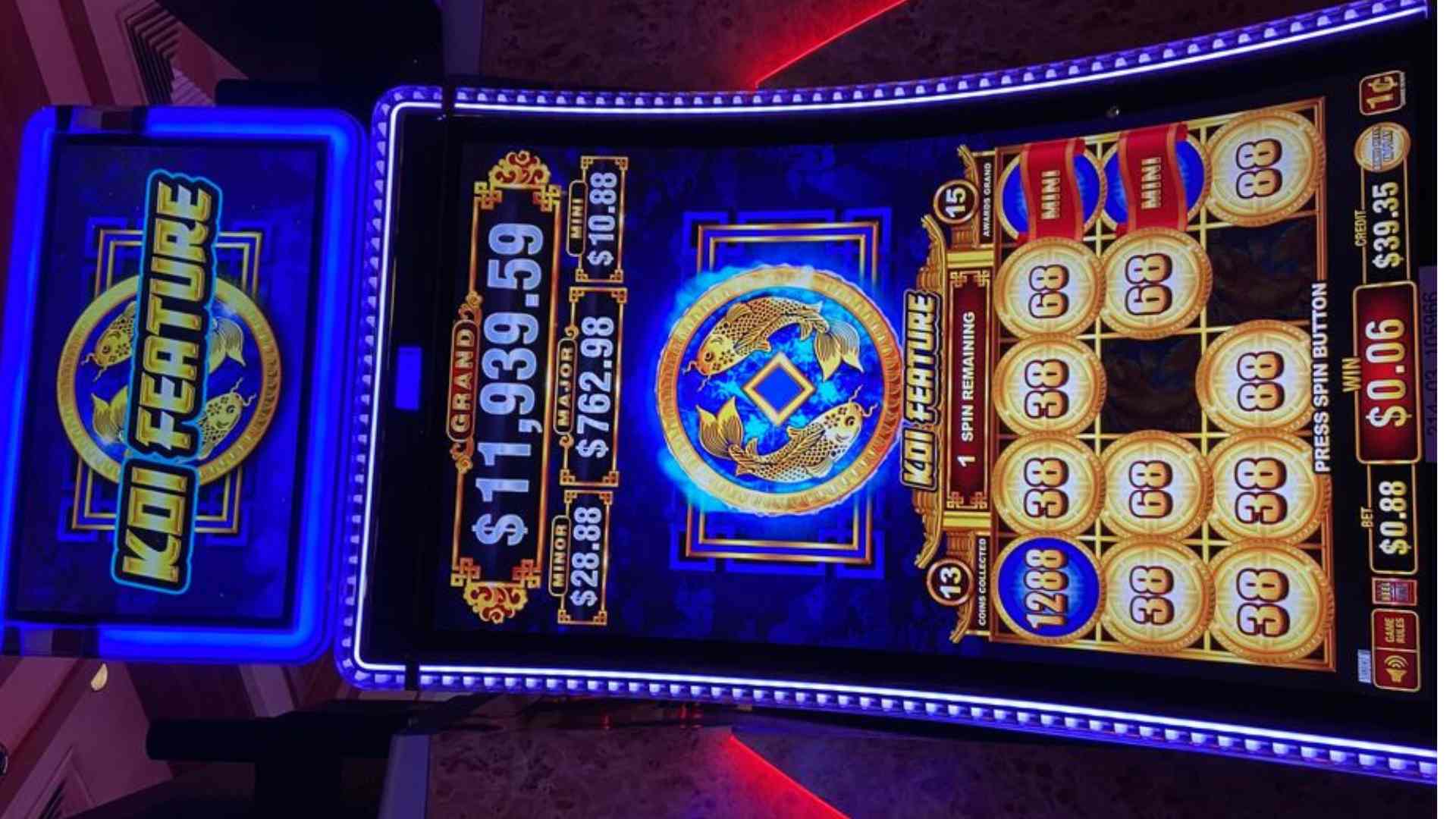
The Role Of Anticipation In Interactive Reward Design
The architecture of modern digital entertainment relies heavily on psychological loops that keep users deeply invested in the experience. While the actual distribution of a prize is highly satisfying, the emotional journey leading up to that moment plays a much more vital role in player satisfaction. Sophisticated creators understand that engineering the perfect period of waiting can transform a standard transactional mechanic into an unforgettable interactive event.
Human behavior is fundamentally driven by the chemical releases triggered during moments of acute uncertainty. When a user initiates a randomized cycle, the brain begins generating dopamine in response to the possibility of a reward rather than the reward itself. This intense neurological state heightens sensory awareness and deepens mental immersion within the software environment.
By intentionally stretching this emotional micro-moment, interface designers can significantly amplify the overall dramatic tension. This psychological pacing ensures that individuals remain highly focused on the unfolding interface elements. Consequently, the brief delay becomes a primary source of lighthearted entertainment that outshines the final outcome.
Creating effective anticipation requires a meticulous blend of motion dynamics, sensory feedback loops, and temporal pacing. Digital systems frequently implement slow deceleration models, such as a revolving indicator gradually losing its physical momentum. This structural hesitation allows observers to naturally calculate potential milestones as the mechanical movement settles into stillness.
Furthermore, timed acoustic patterns and shifting color theories work alongside the visual choreography to signal impending resolution. For instance, platforms that require a secure m88 login utilize polished graphical presentations to keep their casual reward structures incredibly immersive. These calibrated feedback mechanisms ensure that even a rapid gameplay loop leaves a lasting impression on the participant.
A critical aspect of interactive reward design is managing how future possibilities are revealed to the target audience. Displaying all potential outcomes simultaneously on a visible grid creates an immediate map of possibilities that sparks genuine curiosity. Users find great approachability in layouts where the parameters of luck are transparent and simple to comprehend.
However, introducing unexpected mystery modifiers or multi-tiered prize paths prevents the experience from becoming overly predictable. This deliberate structural variety forces the psychological rhythm to adapt continuously across multiple consecutive sessions. When developers successfully balance absolute clarity with random surprise, consumer loyalty and long-term retention improve naturally.
As consumer applications migrate toward advanced interactive frameworks, the methods used to build suspense are evolving rapidly. Emerging software suites are exploring how real-time behavioral data can optimize the duration of micro-burst excitement parameters. Tailoring the length of a reveal based on user responses could soon allow for deeply personalized engagement loops.
Ultimately, the timeless magic of random selection will remain an essential cornerstone of digital recreation. Stripping away unnecessary interface clutter allows the pure emotional mechanics of hope and resolution to take center stage. By prioritizing thoughtful structural pacing over immediate gratification, designers guarantee that the thrill of the chase stays eternal.
Semua artikel sudah ditampilkan.